

Cosmetic Surgery vs. Plastic Surgery: What's the Difference and Why Board Certification Matters
When researching aesthetic procedures, many patients assume that cosmetic surgery and plastic surgery are interchangeable terms. While they are closely related, they are not the same specialty. Understanding the difference can help you make a more informed decision when selecting a surgeon for your procedure.
One of the most important factors to evaluate is board certification. In today's marketplace, many physicians advertise cosmetic procedures, but not all have completed the same level of surgical training. Knowing what credentials to look for can help you prioritize both safety and outcomes.
If you are considering cosmetic surgery in Raleigh, understanding the distinction between cosmetic surgery, plastic surgery, and board certification is an important first step.
Are Cosmetic Surgery and Plastic Surgery the Same Thing?
The short answer is no.
Cosmetic surgery is a subset of plastic surgery that focuses exclusively on improving appearance through elective procedures. Plastic surgery is a broader surgical specialty that encompasses both cosmetic and reconstructive procedures. Cosmetic surgery is one component of the larger field of plastic surgery.
While both disciplines may involve similar techniques and procedures, the training pathways can differ significantly.
Cosmetic surgery focuses on procedures intended to enhance appearance, including:
Plastic surgery includes cosmetic surgery but also involves restoring form and function after injury, disease, or congenital conditions. This broader training provides plastic surgeons with extensive experience in anatomy, tissue healing, reconstruction, and complex surgical techniques.
Understanding this distinction becomes especially important when evaluating a surgeon's qualifications.
What Plastic Surgery Actually Covers
Plastic surgery is a comprehensive surgical specialty that extends far beyond elective cosmetic procedures.
Cosmetic Surgery
Cosmetic surgery focuses on enhancing appearance and improving aesthetic balance. Common examples include:
- Breast augmentation
- Breast lift surgery
- Breast reduction
- Facelift surgery
- Neck lift surgery
- Rhinoplasty
- Liposuction
- Tummy tuck surgery
- Eyelid surgery (blepharoplasty)
Reconstructive Surgery
Reconstructive procedures restore form and function after trauma, illness, or congenital abnormalities. Examples include:
- Breast reconstruction after mastectomy
- Skin cancer reconstruction
- Scar revision
- Trauma reconstruction
- Congenital defect correction
- Facial reconstruction
Hand Surgery
Plastic surgeons often receive specialized training in hand surgery and may treat:
- Carpal tunnel syndrome
- Tendon injuries
- Nerve injuries
- Hand fractures
- Congenital hand conditions
Microsurgery
Microsurgery utilizes advanced techniques to reconnect tiny blood vessels and nerves during complex reconstructive procedures.
- Free flap reconstruction
- Breast reconstruction
- Limb salvage procedures
- Complex wound reconstruction
Burn Surgery
Plastic surgeons also play a critical role in burn care, including:
- Acute burn treatment
- Skin grafting
- Burn scar revision
- Functional reconstruction following severe burns
This wide-ranging surgical education helps explain why board-certified plastic surgeons undergo such extensive training before practicing independently.
What Is the American Board of Plastic Surgery (ABPS) and Why Does It Matter?
The American Board of Plastic Surgery (ABPS) is the only plastic surgery board recognized by the American Board of Medical Specialties (ABMS).
To become certified by the ABPS, surgeons must complete rigorous education, training, and examination requirements that include:
- Graduation from an accredited medical school
- A minimum of six years of surgical training after medical school
- Completion of an accredited plastic surgery residency
- Comprehensive written examinations
- Comprehensive oral examinations
- Ongoing continuing medical education requirements
- Maintenance of certification throughout their career
Board certification serves as an independent verification that a surgeon has met nationally recognized standards in plastic surgery training and patient care.
For patients, this distinction provides additional confidence that their surgeon has undergone specialized education specifically focused on plastic and reconstructive surgery.
ABPS vs. ABCS: The Certification Gap
| American Board of Plastic Surgery (ABPS) | American Board of Cosmetic Surgery (ABCS) |
|---|---|
| Recognized by the American Board of Medical Specialties (ABMS) | Not recognized by the ABMS |
| Requires completion of an accredited plastic surgery residency | Does not require completion of a plastic surgery residency |
| Includes extensive reconstructive and cosmetic surgery training | Focuses primarily on cosmetic procedures |
| Requires comprehensive written and oral board examinations | Different certification pathway |
| Required for membership in the American Society of Plastic Surgeons (ASPS) | Does not qualify for ASPS membership requirements |
The American Board of Medical Specialties recognizes the ABPS as the certifying board for plastic surgery. There is currently no ABMS-recognized board with "cosmetic surgery" in its name.
This distinction matters because board certification reflects the scope and depth of a surgeon's training, which can directly impact patient safety and surgical decision-making.
How to Verify a Surgeon's Board Certification Before Your Consultation
1. Verify ABPS Certification
Use the official American Board of Plastic Surgery verification tool available through the ABPS website.
2. Check ASPS Membership
Membership in the American Society of Plastic Surgeons requires ABPS certification.
3. Look for FACS Designation
FACS stands for Fellow of the American College of Surgeons and indicates that a surgeon's education, training, professional qualifications, and ethical standards have been evaluated.
4. Confirm Hospital Privileges
Qualified plastic surgeons typically maintain privileges at accredited hospitals or surgical facilities.
5. Ask Direct Questions
- Are you certified by the American Board of Plastic Surgery?
- How many years of plastic surgery training have you completed?
- How often do you perform this procedure?
- Is the procedure performed in an accredited surgical facility?
What This Means When Choosing a Plastic Surgeon in Raleigh
When selecting a plastic surgeon in Raleigh, credentials should be one of the most important factors in your decision-making process.
Rather than focusing solely on marketing claims, social media presence, or before-and-after photos, patients should verify:
- ABPS board certification
- Surgical training background
- Experience performing the procedure
- Hospital privileges
- Facility accreditation
- Professional society memberships
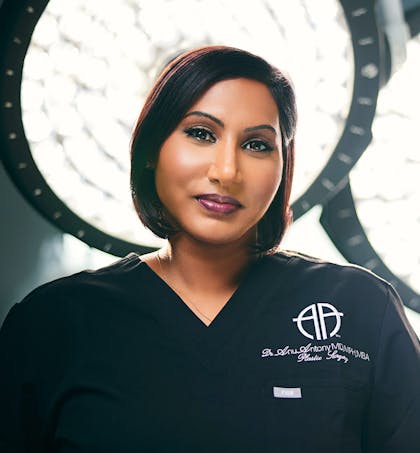
Dr. Anu Antony exemplifies the standards patients should look for when evaluating a plastic surgeon. As a board-certified plastic surgeon with advanced training from Stanford University and Harvard-affiliated institutions, she has completed the extensive education, residency training, and certification requirements expected of an ABPS-certified surgeon.
Making an Informed Decision About Your Care
Understanding the difference between cosmetic surgery and plastic surgery can help you become a more informed patient. While cosmetic surgery focuses exclusively on aesthetic enhancement, plastic surgery encompasses a much broader range of reconstructive and cosmetic procedures.
When researching surgeons, board certification should never be overlooked. Verifying ABPS certification, reviewing credentials, and asking the right questions during your consultation can help ensure you receive care from a highly trained specialist.
If you are considering cosmetic or plastic surgery in Raleigh, scheduling a consultation with Dr. Anu Antony at the Antony Institute for Aesthetics and Plastic Surgery is an excellent opportunity to learn more about your options and discuss your goals with a board-certified plastic surgeon who prioritizes safety, education, and natural-looking results.