

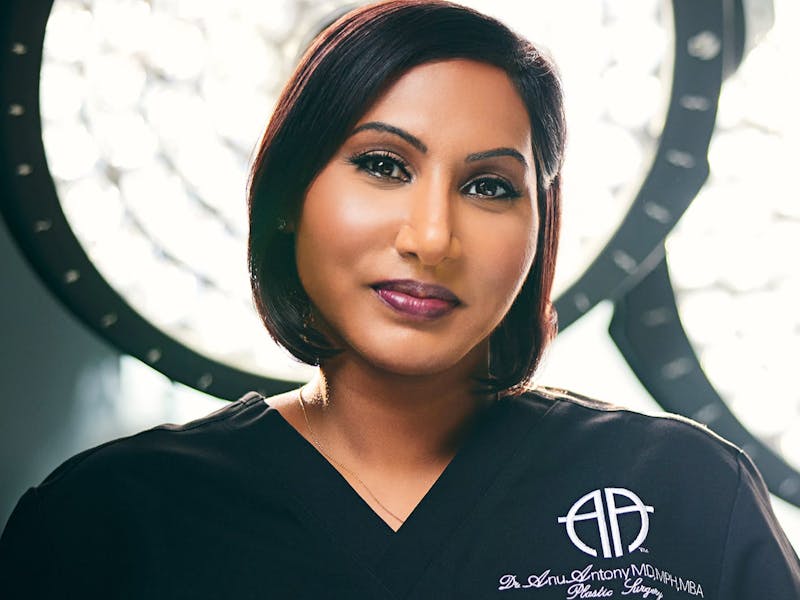
Choosing to undergo plastic surgery is a significant personal decision. Whether you are considering a facelift, breast augmentation, tummy tuck, liposuction, rhinoplasty, or another cosmetic procedure, the surgeon you choose will have one of the greatest impacts on your safety, recovery, and final results.
With many providers offering cosmetic procedures throughout the Raleigh area, it can be challenging to know how to separate experienced, qualified plastic surgeons from those with limited training. Beautiful marketing, social media presence, and discounted pricing do not always reflect surgical expertise.
This guide explains what to look for when choosing a plastic surgeon in Raleigh so you can make an informed and confident decision.
Why Choosing the Right Plastic Surgeon Is the Most Important Decision You'll Make
Plastic surgery combines medical science with artistic judgment. While patients want beautiful results, safety and proper surgical planning should always come first.
An experienced plastic surgeon helps minimize risks by performing detailed evaluations, creating personalized treatment plans, using proven techniques, and providing appropriate follow-up care.
The surgeon you choose often matters more than the procedure itself. A qualified surgeon will also know when surgery is not the right option and will recommend alternatives when appropriate.
Step 1: Verify Board Certification and Training
The first qualification every patient should verify is certification by the American Board of Plastic Surgery (ABPS).
ABPS certification demonstrates that a surgeon has completed extensive surgical training and passed rigorous examinations. ABPS-certified surgeons complete at least six years of surgical training, including an accredited plastic surgery residency program, before becoming eligible for board examination.
Do Not Confuse Cosmetic Certifications
Some physicians offer cosmetic procedures without ABPS certification. Patients should understand that not all certifications represent the same level of plastic surgery training.
When researching a plastic surgeon, verify credentials through trusted organizations such as the American Board of Plastic Surgery and the American Society of Plastic Surgeons.
What Does Fellowship Training Mean?
Some plastic surgeons complete additional fellowship training after residency to develop advanced expertise in specific areas, including:
- Facial plastic surgery
- Breast reconstruction
- Microsurgery
- Aesthetic surgery
- Craniofacial surgery
While fellowship training is not required for every procedure, additional specialized training may demonstrate advanced experience in a specific area of plastic surgery.
What Does FACS Mean?
FACS stands for Fellow of the American College of Surgeons. This designation indicates that a surgeon has met professional standards related to education, ethics, and surgical practice.
Learn more about Dr. Antony's full credentials and training background.
Step 2: Evaluate Experience With Your Specific Procedure
Board certification is an important first step, but it is not the only factor to consider. A surgeon's experience with your specific procedure can significantly impact your results.
A plastic surgeon who performs breast augmentation regularly may have different expertise than a surgeon who primarily focuses on facial rejuvenation or body contouring procedures.
During your consultation, ask questions such as:
- How many of this procedure do you perform each year?
- How long have you been performing this surgery?
- What techniques do you typically use?
- Why do you recommend this approach for my anatomy?
- What challenges do you commonly see with this procedure?
The right surgeon should be able to clearly explain their experience and why their recommended approach aligns with your goals.
Step 3: Review the Before-and-After Gallery Critically
Before-and-after photos are one of the best ways to understand a surgeon's aesthetic style and technical ability. However, patients should review these images carefully rather than only focusing on dramatic transformations.
What to Look For in a Plastic Surgery Gallery
- Consistent lighting and photography angles
- Patients with anatomy similar to yours
- Results shown several months after surgery
- Multiple examples of the procedure you are considering
- Natural-looking, consistent outcomes
Many surgical procedures continue healing for months. Reviewing results taken at least three to six months after surgery provides a better understanding of final outcomes.
Before-and-After Gallery Red Flags
- Only two or three featured cases
- Heavily edited or filtered photos
- Inconsistent lighting or positioning
- Stock photography
- No indication of when photos were taken after surgery
Step 4: Assess the Consultation Experience
A consultation should be an educational experience, not a sales appointment. Your surgeon should take time to understand your goals, concerns, medical history, and expectations before recommending treatment.
A high-quality consultation should include:
- A discussion of your aesthetic goals
- A physical evaluation
- An explanation of treatment options
- A discussion of potential risks and limitations
- A realistic recovery timeline
- Time for your questions
The best surgeons help patients feel informed and confident rather than pressured.
Consultation Red Flags
- Promises of guaranteed results
- Pressure to schedule immediately
- Limited discussion of risks
- Recommendations without a thorough evaluation
- Feeling rushed or dismissed
10 Questions to Ask Any Plastic Surgeon at Your Consultation
Before choosing a plastic surgeon, prepare a list of questions to help you understand their qualifications, approach, and commitment to patient safety. A reputable surgeon should welcome these questions and provide clear, thoughtful answers.
- Are you certified by the American Board of Plastic Surgery?
Board certification confirms that your surgeon has completed specialized plastic surgery training and met rigorous professional standards. - Is my procedure performed in an accredited surgical facility?
Ask whether your surgery will take place in a facility accredited by organizations such as AAAASF, AAAHC, or The Joint Commission. - How many of this specific procedure do you perform annually?
Experience matters. Surgeons who frequently perform a procedure often develop greater technical expertise and consistency. - What surgical technique do you recommend and why is it right for me?
Your surgeon should explain why a specific technique fits your anatomy, goals, and lifestyle rather than recommending a one-size-fits-all approach. - What is your complication rate for this procedure?
Every surgery has risks. An experienced surgeon should be comfortable discussing potential complications and how they work to reduce them. - Who handles after-hours patient concerns?
Understanding your post-operative support system is an important part of feeling prepared before surgery. - What does recovery look like for my specific case?
Recovery varies based on the procedure, your health, and your individual healing process. Your surgeon should provide realistic expectations. - What are your revision policies?
While many patients achieve excellent results after their first procedure, it is important to understand how revisions are handled if they become necessary. - Can I see before-and-after photos of patients with similar anatomy?
Reviewing comparable cases can help you better understand the type of results you may realistically achieve. - What are the realistic limitations I should know about?
A trustworthy surgeon will explain not only what surgery can accomplish, but also what it cannot change.
Red Flags When Evaluating a Raleigh Plastic Surgeon
Finding the right plastic surgeon requires more than comparing websites or prices. Certain warning signs may indicate that a provider is not prioritizing patient safety or quality outcomes.
No ABPS Board Certification
Board certification by the American Board of Plastic Surgery is one of the most important qualifications to verify before choosing a surgeon. Be cautious of providers who advertise cosmetic surgery expertise without recognized plastic surgery board certification.
Surgery Performed in a Non-Accredited Facility
Accredited surgical facilities maintain strict standards for patient safety, emergency preparedness, equipment, staffing, and infection control. Always ask where your procedure will be performed.
Dramatically Lower Pricing Without Explanation
Cost is an important consideration, but significantly lower pricing may reflect differences in surgical experience, facility standards, anesthesia services, or post-operative care.
Rather than choosing based only on price, consider the overall value of your care, including surgeon experience, safety standards, and long-term results.
No In-Person Consultation Before Surgery
Every patient has unique anatomy and goals. A qualified plastic surgeon should perform a thorough consultation before recommending surgery or creating a personalized treatment plan.
Pressure to Book Immediately
Be cautious of practices that use high-pressure sales tactics, limited-time discounts, or same-day booking incentives. Choosing a plastic surgeon is an important decision and should never feel rushed.
Unwillingness to Discuss Complications
Every surgical procedure carries potential risks. A trustworthy surgeon should openly discuss complications, explain how risks are minimized, and describe how they would handle concerns if they occurred.
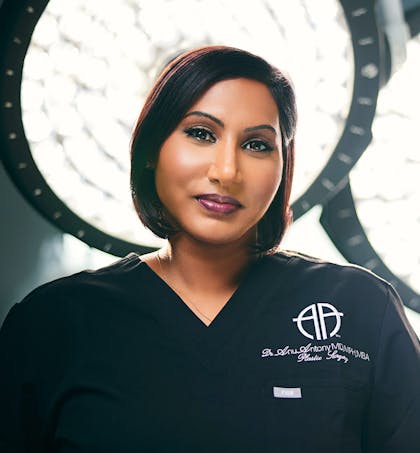
Why Patients Choose Dr. Anu Antony
Choosing a plastic surgeon is ultimately about trust, experience, and communication. Patients want a surgeon who understands their goals while prioritizing safety and natural-looking results.
At Dr. Anu Antony's practice, every consultation is focused on creating a personalized treatment plan based on your anatomy, concerns, lifestyle, and desired outcome.
Rather than recommending the same procedure for every patient, Dr. Antony takes time to understand what you want to achieve and explains your options clearly so you can make an informed decision.
Patients benefit from:
- Board-certified plastic surgery expertise
- Personalized surgical recommendations
- Honest discussions about risks and expectations
- Comprehensive pre-operative and post-operative guidance
- A focus on balanced, natural-looking results
You can learn more about Dr. Antony's full credentials and training background and her approach to patient care.
Make Your Decision With Confidence
Choosing the right plastic surgeon in Raleigh is one of the most important steps in your cosmetic surgery journey. By verifying board certification, reviewing procedure-specific experience, studying before-and-after photos, and asking detailed questions during your consultation, you can make a decision based on qualifications rather than marketing alone.
The right surgeon should make you feel informed, comfortable, and confident before moving forward.
If you are considering cosmetic surgery and want to discuss your options, you can schedule a consultation with Dr. Antony to learn more about your personalized treatment plan.
Frequently Asked Questions
How do I compare plastic surgeons in Raleigh?
Compare plastic surgeons by reviewing their board certification, surgical experience, before-and-after gallery, consultation process, facility accreditation, and patient reviews. Meeting with qualified surgeons can also help you determine who best understands your goals.
How do I find the right plastic surgeon in Raleigh, NC?
The right plastic surgeon should have recognized credentials, extensive experience with your desired procedure, a strong safety record, and a communication style that makes you feel comfortable and informed.
How do I know if a plastic surgeon is qualified and trustworthy?
Look for ABPS board certification, accredited surgical facilities, transparent discussions about risks, realistic expectations, and a willingness to answer all of your questions before surgery.
Is board certification important when choosing a plastic surgeon?
Yes. Board certification through the American Board of Plastic Surgery indicates that a surgeon has completed specialized training, passed comprehensive examinations, and continues meeting professional standards.
Why should plastic surgery be performed in an accredited facility?
Accredited facilities follow strict safety protocols related to surgical equipment, anesthesia, emergency preparedness, and patient monitoring. These standards help create a safer surgical environment.
Should I choose the cheapest plastic surgeon?
Cost should be considered, but it should not be the deciding factor. The surgeon's experience, qualifications, safety standards, and ability to achieve your desired outcome are more important factors when making your decision.
How many plastic surgery consultations should I have?
Many patients benefit from meeting with one or more qualified plastic surgeons before deciding. This allows you to compare recommendations, communication styles, and overall comfort level.